

There is nothing more liberating than swimming
Annette Kellerman, the "Diving Venus" and her one-piece bathing suit


I’m back from a beautiful, laptop-free vacation. I swam in the ocean, saw some great art and drank rosé with friends. I journaled! I read!

Time away from work has a cost, especially for us freelancers; I’d be lying if I said I didn’t hyperventilate a little before hitting the “book trip” button all those months ago.
So a big thank-you — as always!! — to my paid subscribers. Thank you for the time, and thank you for the inspiration. Coming back, I feel renewed and reinvigorated (won’t claim “refreshed” until my jet lag passes, but that will happen soon enough). Today’s newsletter is inspired by my time splashing in the waves — please gift yourself the same some time soon!
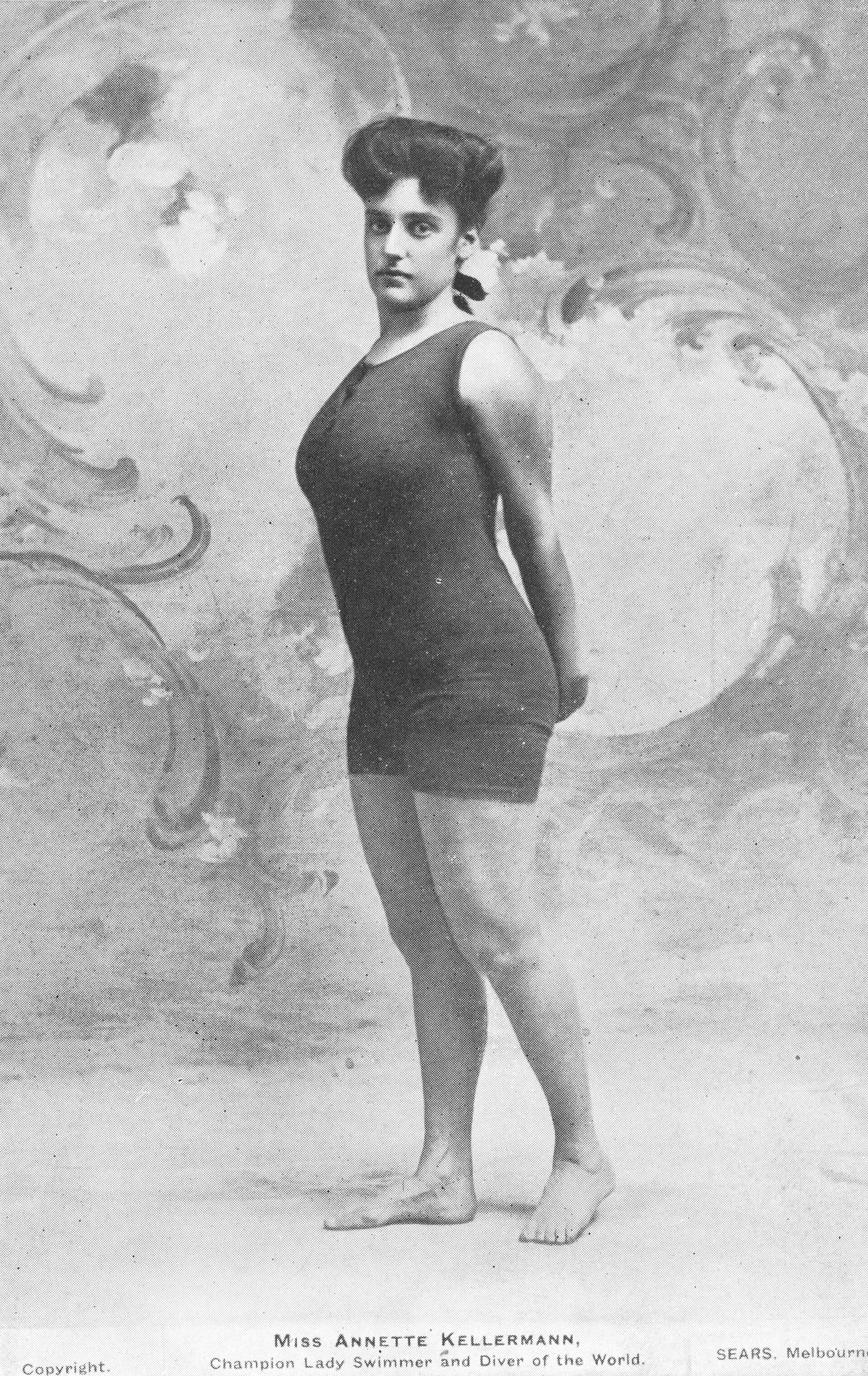

In July 1907, 21-year-old Annette Kellerman shocked Massachusetts beachgoers when she hit the surf wearing her own revolutionary design: a one-piece bathing suit. Someone called the police, and despite her many awards and accolades, Annette found herself in handcuffs — jailed for public indecency.
Years before, the Australia-born “Diving Venus” made a name for herself in the competitive swimming and diving world. As a child, Annette struggled with a musculoskeletal disability. Doctors placed her legs in steel braces, but her parents hoped swim classes and aquatic therapy could help. Annette took to the water like a fish; she later credited the pooltime and aggressive exercise regiment for freeing her from the leg braces.
As she later wrote in her aquatic guidebook, How to Swim:
There is nothing more liberating than swimming … All life’s shackles are washed away with the waves.
Throughout her teenage years, Annette competed in swimming and diving events. She developed an “artistic swimming” routine that played well with the vaudeville circuit; by age 17, she had signed with a manager to explore film and Broadway opportunities.
But Annette knew the bulky bathing costumes of the day held her back. She couldn’t complete certain stunts or achieve different synchronized swimming moves with the cumbersome hems and heavy fabrics of contemporary women’s suits. So she broke out her own scissors and started experimenting with her then-groundbreaking design. Eventually, she landed on the winner, a one-piece bathing suit that would finally allow women to swim with their thighs and arms fully exposed
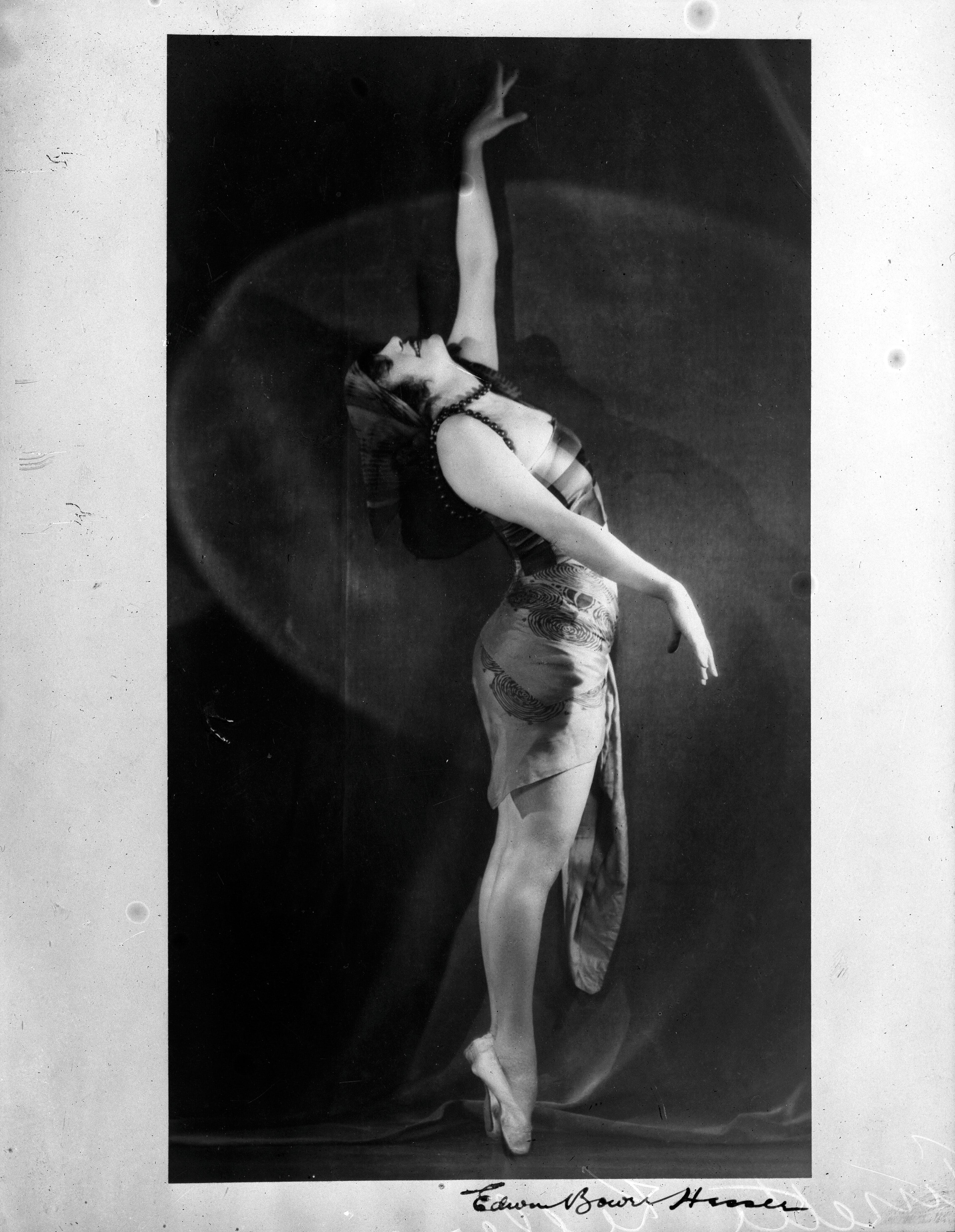

Annette first debuted the suit in England, at the tony London Bathing Club. Scandalized Victorians demanded she cover up; so Annette begrudgingly sewed stockings onto a men’s bathing suit, which covered her legs but still revealed the outline of her shape. Annette saw the design as a lackluster compromise to her vision, but women bathers delighted in the freedom even her modified suit afforded. Eager swimmers-to-be showed off their “Annette Kellermans” on beaches around the world.
After Annette racked up medals and records throughout Europe, the editor of the Daily Mirror offered to sponsor her attempt to swim the English Channel. Only a handful of women had tried before her, and though an ambitious athlete, Annette feared she wasn’t ready to complete the notoriously difficult swim. But the tabloid offered to pay her by the mile — Annette, ever the businesswoman, couldn’t turn down such an offer.
In 1905, Annette set out in the frigid, turgid waters. She competed alongside four other swimmers, none of whom made it to the endpoint. After three unsuccessful attempts, Annette herself called it quits, telling reporters, “I had the endurance, but not the brute strength.” Still, she later acknowledged the press coverage was worth it. Her brand boomed.
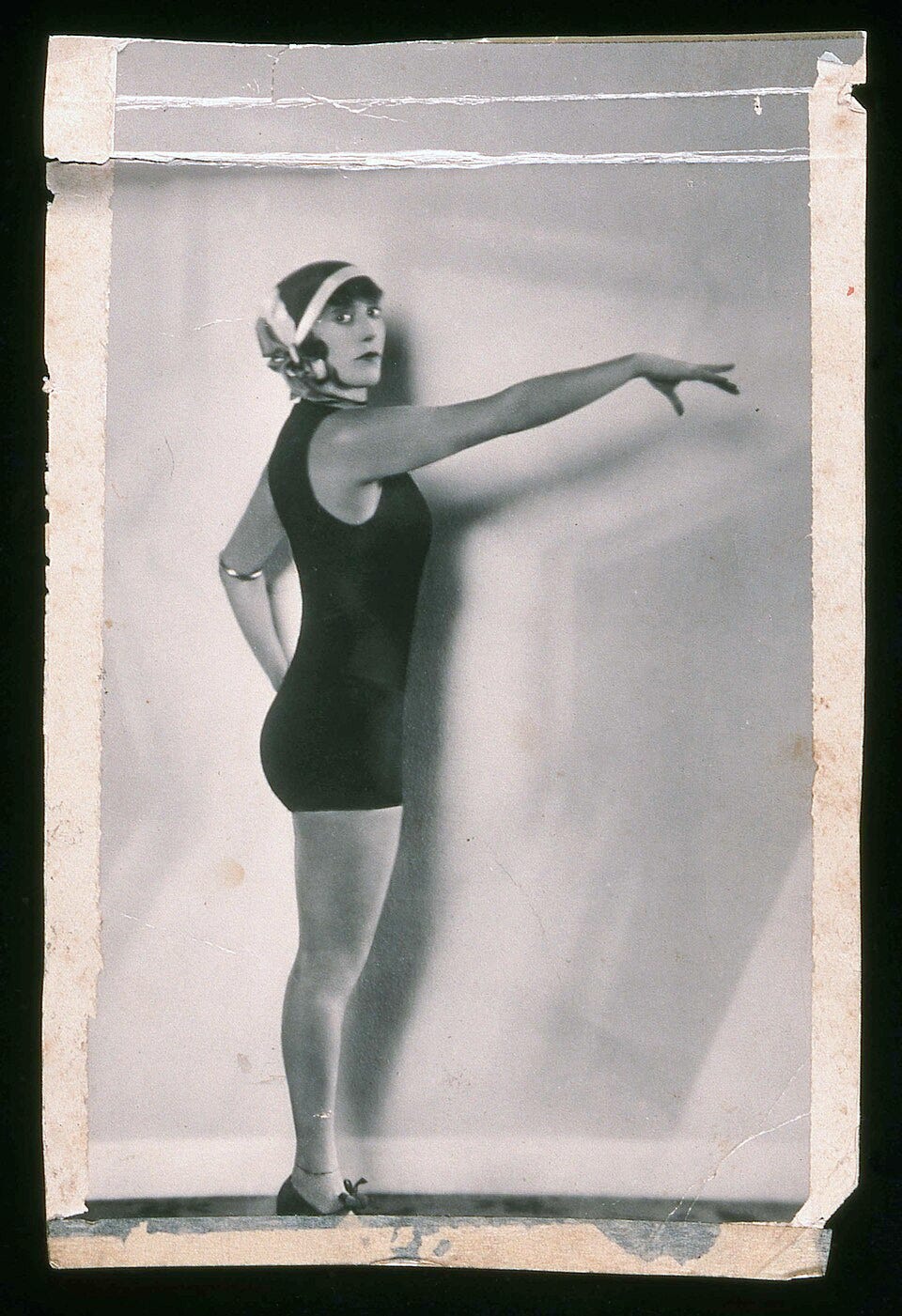
Then, on that 1907 trip to Massachusetts’s Revere Beach, Annette made the biggest headline of her career. When the police showed up on the sand, insisting she put on more clothes, Annette refused. “I can’t swim wearing more stuff than you hang on a clothesline,” she scoffed.
But before she was brought before the judge, Annette prepared her argument carefully. She explained that her style of suit was in fact an innovation in women’s safety. The clumsy, heavy costumes accepted by society could drag women down in the water; and if more girls adopted Annette’s freer style, maybe they’d feel encouraged to become stronger swimmers. As Annette said to the judge:
What difference is there from these legal costumes than wearing lead chains around our legs?
Annette won. She left court a free woman, but the case also did wonders for her bathing suit sales. Hollywood came calling, and Annette spent the remainder of her career starring in big-budget water ballets and mermaid films. In 1952, Esther Williams starred in the Annette biopic, aptly titled The Million Dollar Mermaid.
More on 🧜:
Swimming Pretty: The Untold Story of Women and Water, written by Vicki Valosik
Annette Kellerman: Australian Mermaid, written by Grantlee Kieza
The amazing life of Australia’s ‘million-dollar mermaid,’ BBC
Annette Kellerman Sullivan, 87, ‘Million Dollar Mermaid,’ The New York Times
The ‘Australian Mermaid’ Who Introduced Recreational Swimming to American Women, Atlas Obscura